
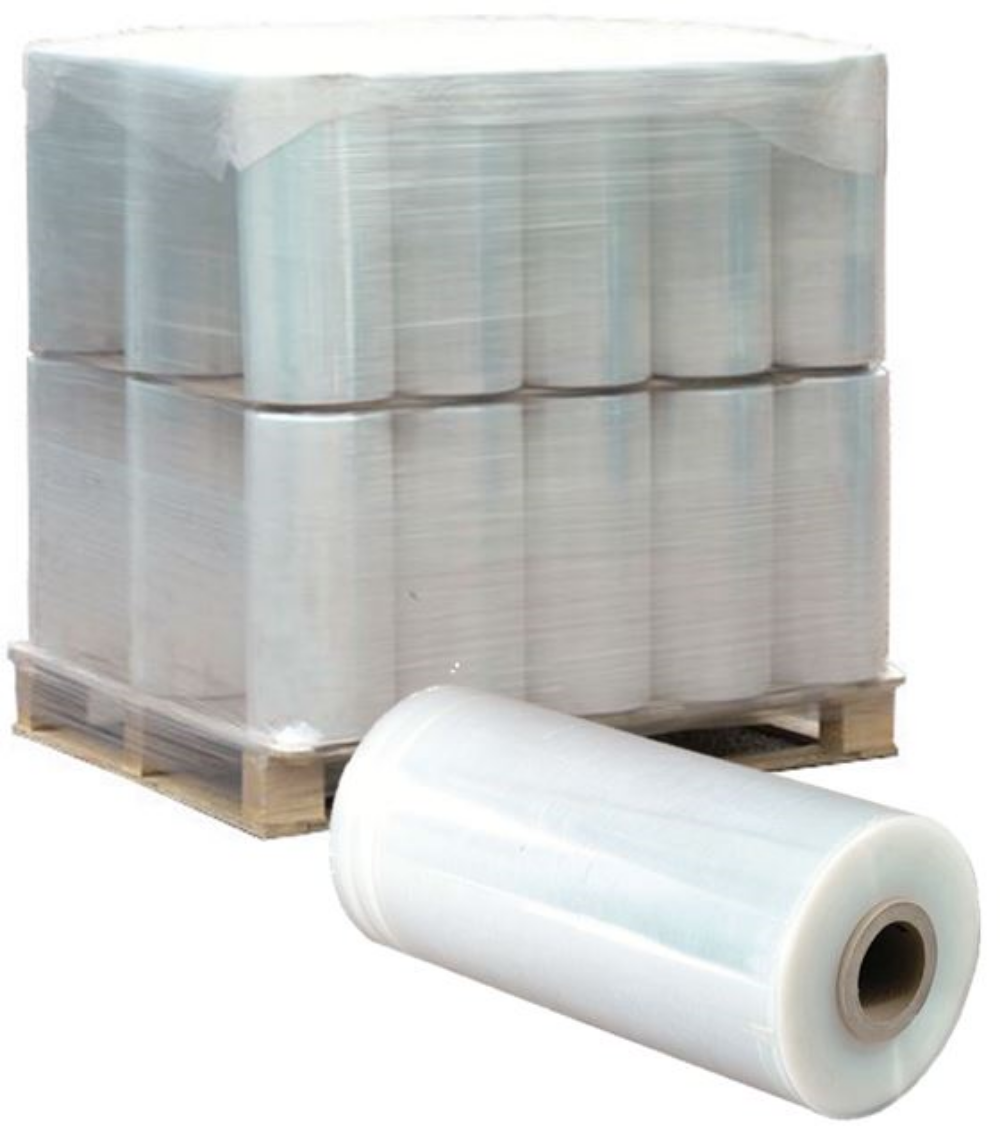
Stretch film and cling film are both types of plastic films used for packaging and wrapping purposes, but they have some key differences in their properties and intended applications. Here’s a comparison of their similarities and differences:
Similarities:
- Material: Both stretch film and cling film are made from plastic materials, typically polyethylene (PE) or polyvinyl chloride (PVC).
- Packaging: They are both used for packaging and wrapping items to protect them from dirt, moisture, and damage during transit or storage.
- Transparency: Both films are generally transparent, allowing for easy identification of packaged items.
- Versatility: They can be used for various applications, including food packaging, bundling items together, securing pallet loads, and wrapping household goods.
Differences:
Stretchability:
- Stretch Film: Stretch film is designed to stretch around objects tightly, providing excellent load stability and securing palletized loads during transportation. It has high elongation properties, allowing it to be stretched without tearing.
- Cling Film: Cling film, also known as plastic wrap or food wrap, is not typically designed to stretch extensively. It adheres to surfaces through static cling and doesn’t have the same level of stretchability as stretch film.
Adhesion:
- Stretch Film: Stretch film primarily adheres to itself when stretched, creating a secure wrap around items or pallets.
- Cling Film: Cling film adheres to surfaces through static electricity or a clingy adhesive coating. It sticks to surfaces such as glass, plastic, or metal, forming a tight seal.
Thickness:
- Stretch Film: Stretch film is usually thicker and more durable, designed to withstand the rigors of transportation and secure heavy loads.
- Cling Film: Cling film is thinner and more lightweight, primarily used for covering and protecting food items or small objects.
Intended Use:
- Stretch Film: Mainly used in industrial and commercial settings for pallet wrapping, securing loads, and logistics purposes.
- Cling Film: Primarily used in household kitchens and food service industries for wrapping and preserving food items.
Stretching Mechanism:
- Stretch Film: Stretch film is typically applied using a stretch wrapping machine or manually by pulling and stretching the film around the load.
- Cling Film: Cling film is applied by hand, where it adheres to surfaces through static cling or with the help of a dispenser.
In summary, while stretch film and cling film share some similarities as plastic packaging materials, they differ significantly in their stretchability, adhesion properties, thickness, intended use, and application methods.